
What to Do When You Need Emergency Roof Repair

Need help now? Contact Rivertop Roofing quickly: 1-888-909-5424
Stop Leaks with Emergency Roof Repair in Dallas, TX
Emergency roof repair becomes a priority the moment you discover your roof has been
compromised. Maybe a tree branch crashed through during last night's storm, or you woke up to water dripping from the ceiling. Perhaps high winds ripped shingles off and exposed your home to the elements. Whatever the cause, that sinking feeling is completely understandable.
The good news is that taking the right steps quickly can minimize damage and protect your home until permanent repairs are completed. Knowing what to do before disaster strikes puts you well ahead of most homeowners who find themselves scrambling.
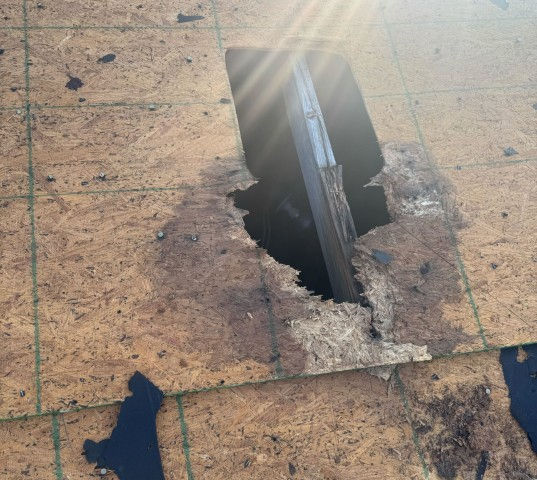
The above picture shows what needs to be repaired during a roofing project if the homeowner had a leak in their shingles and water was getting through for an extended period of time causing even more damage INSIDE the home. We cut this section out and replaced it with new decking.
Recognizing When You Have a Roofing Emergency
Not every roof problem requires immediate action, but certain situations demand urgent attention. Understanding the difference helps you respond appropriately and avoid unnecessary panic.
Active water intrusion is the most obvious sign you need help fast. Water dripping through your ceiling, running down walls, or pooling in your attic signals that your roof's protective barrier has failed. Every minute water continues entering your home increases potential for structural damage, mold growth, and ruined belongings.
Visible holes or punctures in your roof require immediate coverage. A fallen tree limb, flying debris, or even a satellite dish torn loose during a storm can create openings that leave your home completely exposed to whatever weather follows.
Missing sections of shingles after severe weather also qualify as emergencies. While a few missing shingles might wait a day or two, large bare areas where underlayment or decking is visible need protection right away. Understanding different components of a roof helps you assess damage severity accurately.
Sagging or structural damage indicates serious problems beyond surface repairs. If any part of your roof appears to be collapsing or shows significant deformation, evacuate the area beneath it and call for professional help immediately.

Immediate Steps to Take
When facing a roofing emergency, your actions in the first hour can significantly impact how much damage your home sustains. Stay calm and work through these priorities systematically.
Safety comes first always. Never climb onto a damaged roof yourself, especially during or immediately after a storm. Wet surfaces are extremely slippery and structural integrity may be compromised. If you see downed power lines anywhere near your home, stay inside and contact your utility company before doing anything else.
Move belongings away from the affected area inside your home. Furniture, electronics, important documents, and anything valuable should be relocated to dry areas. Cover items that cannot be moved with plastic sheeting or tarps.
Contain the water if possible. Place buckets or containers under active drips. If water is pooling on a ceiling and causing it to bulge, carefully puncture the lowest point with a screwdriver to create controlled drainage rather than allowing the ceiling to collapse unpredictably.
Document everything with photos and video before any cleanup begins. Capture the source of the leak, damage to belongings, and any visible roof damage from ground level. This documentation proves invaluable when filing insurance claims later.
Temporary Protection Options
While waiting for professional emergency roof repair, temporary measures can prevent additional damage. The goal is buying time, not creating a permanent fix.
Tarping is the most common emergency solution. A properly installed tarp creates a waterproof barrier over compromised areas until repairs can be completed. However, tarping a roof safely is more difficult than it appears. The tarp must extend several feet beyond damaged areas and be secured firmly enough to withstand wind.
If your roof has experienced storm damage, you will want to understand whether to contact insurance first or call a roofing contractor. Many experienced roofing companies offer emergency tarping services and can document damage for insurance purposes simultaneously.
Interior protection matters just as much as covering the roof. Continue running fans and dehumidifiers in affected areas to prevent mold. Open windows if weather permits to improve air circulation.
When to Call a Professional
Some homeowners attempt emergency roof repair themselves, but this approach carries significant risks. Knowing when to call for help protects both your safety and your home.
Any damage requiring you to climb onto the roof warrants professional assistance. Residential roofs are not designed for foot traffic, and damaged roofs are especially hazardous. Professionals have safety equipment, proper training, and insurance coverage that homeowners lack.
Extensive damage affecting multiple areas needs expert assessment. What looks like isolated damage from the ground may reveal much larger problems upon closer inspection. A professional can identify all affected areas and provide appropriate temporary protection for your entire roof.
Storm damage that might involve insurance claims benefits from professional documentation. Roofing contractors experienced with insurance restoration understand what adjusters look for and can provide detailed reports supporting your claim effectively.
If your roof is older, professional evaluation becomes even more important. Problems with an old roof can compound quickly when emergency damage occurs, and understanding the full picture helps you make informed decisions.
Working With Your Insurance Company
Most homeowners insurance policies cover sudden roof damage from storms, fallen trees, and similar events. Understanding the claims process helps ensure fair compensation.
Contact your insurance company as soon as reasonably possible after securing your home. Most policies require prompt notification, and delays can complicate your claim. Have your policy number ready and describe the damage and its cause.
Keep all receipts related to emergency measures. Tarps, buckets, and professional emergency services are typically reimbursable. Insurance companies expect policyholders to take reasonable steps preventing further damage.
Do not authorize permanent repairs until your claim has been reviewed. Emergency measures are different from final repairs. Starting permanent work before an adjuster inspects could affect your coverage.

Preventing Future Emergencies
While you cannot control the weather, proactive maintenance reduces your risk of experiencing roofing emergencies. Regular attention pays dividends when severe conditions arrive.
Schedule professional inspections at least once per year and after significant storms. Catching small problems before they become big ones costs far less than emergency repairs. Rivertop Roofing offers comprehensive inspections that identify vulnerable areas and potential failure points.
Keep trees trimmed away from your roof. Overhanging branches pose risks during storms and deposit debris that traps moisture. A tree service visit costs far less than emergency roof repair after a limb crashes through.
Maintain your gutters and ensure proper drainage. Clogged gutters cause water to back up under roofing materials, creating conditions for leaks. Clean gutters at least twice annually.
Address minor repairs promptly. A few lifted shingles or damaged flashing might seem insignificant, but these weak points become entry points during severe weather. Learning about proper roof ventilation also helps maintain your roofing system.
The Bottom Line
Roofing emergencies are stressful, but responding effectively protects your home and family from further harm. Prioritize safety above all else, document damage thoroughly, and secure temporary protection while arranging for professional assessment and permanent repairs.
Remember that attempting DIY fixes on a damaged roof creates serious safety hazards and may complicate insurance claims. Professional contractors have the equipment, expertise, and insurance coverage to handle emergency roof repair safely and correctly.
When disaster strikes, knowing what to do makes all the difference, and fast action combined with professional help gets your home protected and back to normal as quickly as possible.
Need help now? Contact Rivertop Roofing quickly:1-888-909-5424
Frequently Asked Questions (FAQs)
1. How quickly should I respond to roof damage?
You should respond immediately, especially if water is entering your home. Every hour of delay allows additional water intrusion, which increases the risk of mold growth, structural damage, and ruined belongings. Take steps to contain water inside your home and contact a roofing professional as soon as possible to assess the situation.
2. Can I tarp my own roof in an emergency?
While it is technically possible, it is generally not recommended. Climbing onto a damaged roof is dangerous, especially after storms when surfaces are wet and structural integrity may be compromised. Professional roofers have proper safety equipment and training that significantly reduces the risks involved.
3. Will insurance cover emergency roof repair costs?
Most homeowners insurance policies cover emergency measures taken to prevent further damage after covered events like storms. This typically includes professional tarping services and temporary protection materials you purchase. Keep all receipts and document damage thoroughly to support your claim.
4. How long can a tarp protect my roof?
A properly installed professional tarp can protect your roof for several weeks to a few months depending on weather conditions and installation quality. However, tarps are temporary solutions that degrade over time under sun exposure. Schedule permanent repairs as soon as possible to restore full protection.
5. What should I do if I cannot reach a roofer immediately?
Focus on protecting your home's interior by moving belongings away from affected areas, containing water with buckets, and documenting all damage with photos. Contact multiple roofing companies to get on their emergency service list and notify your insurance company about the situation promptly.


A professionally installed tarp can typically protect a roof for a few weeks up to a couple of months, depending on weather conditions, material quality, and how well it is secured. However, tarps are strictly temporary solutions—sun exposure, wind, and rain gradually weaken them, so they should not be relied on long term. Permanent roof repair should always be scheduled as soon as possible to prevent further structural damage.
If you cannot reach a roofer immediately, the priority is minimizing interior damage. Move valuables away from affected areas, use buckets or containers to catch active leaks, and document all damage with clear photos for insurance purposes. It’s also important to contact multiple roofing contractors and ask to be placed on…
From immediate response to full restoration, having a dependable local contractor makes repair all the difference